AI ROAS Attribution: Tracking Every Click to Closed Deal
Aug 21, 2026
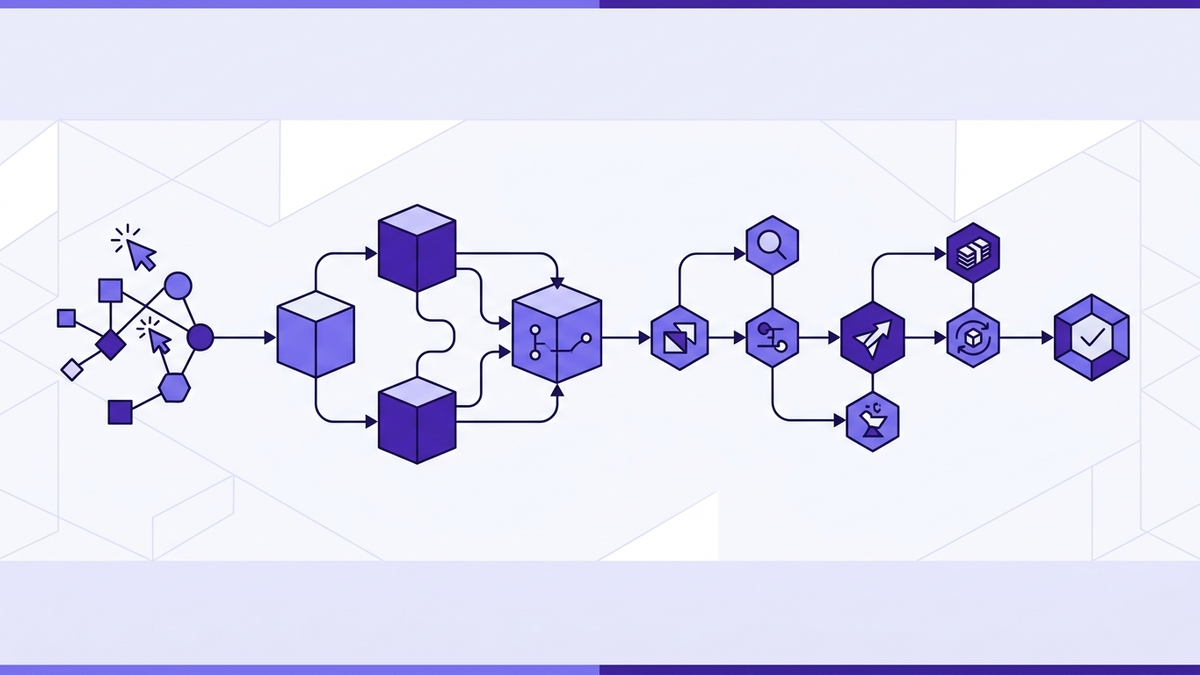
The attribution gap most SMBs are quietly bleeding money into
Most small and mid-sized businesses can tell you what they spent on Google and Meta last month. Far fewer can tell you which of those clicks became paying customers. Even fewer can tell you the *lifetime* revenue tied to a specific ad set.
That gap between click and closed deal is where marketing budgets go to die. Platform-reported ROAS looks great because ad platforms optimize for the events they can see — usually a form fill or an add-to-cart. What happens after that lead hits your CRM is a black box to Google, Meta, LinkedIn, and TikTok.
AI-driven attribution closes that loop. Here's how it actually works, and what to look for when you evaluate it.
Why last-click and platform ROAS lie to you
Three specific problems show up over and over:
1. Platforms double-count. If someone sees a Meta ad, then clicks a Google search ad, both platforms will claim the conversion in their own dashboards. Add them up and you've "attributed" 200% of the sale.
2. Conversions are measured at the wrong point. A lead form isn't revenue. A lead that never returns your calls is worth $0, but it still shows up as a $50 conversion on your ad platform's report.
3. B2B and considered-purchase sales cycles break the model. If a deal closes 47 days after the first click, most pixels have already expired or been blocked.
Any ROAS number that doesn't map back to a closed deal in your CRM is a proxy. Sometimes proxies are directionally correct. Often they're not.
What full-funnel attribution actually requires
To attribute a closed deal back to the original ad click, you need five things wired together:
- Persistent identity. A first-party identifier (usually a cookie plus an email or phone once captured) that survives across sessions and devices.
- Ad click capture. UTM parameters and click IDs (gclid, fbclid, etc.) stored against that identity the moment a visitor lands.
- Lead-to-contact stitching. When the visitor fills a form, books a call, or replies to an email sequence, their prior click history has to attach to the CRM contact record.
- Deal stage tracking. Every stage change — from MQL to SQL to Won — needs a timestamp and a dollar value.
- Server-side conversion feedback. Send the *actual* revenue events (not just leads) back to the ad platforms via their conversion APIs, so their algorithms optimize for money, not form submissions.
Most businesses have three of these five. The two missing pieces are usually deal-stage tracking tied to the original click and server-side feedback to the ad platforms.
Where AI actually helps (and where it doesn't)
Attribution is fundamentally a data plumbing problem. AI doesn't solve plumbing. But once the pipes are connected, AI does three useful things:
1. Multi-touch weighting without guessing. Instead of picking "first touch," "last touch," or a linear split, a model can look at your actual won and lost deals and estimate how much each touchpoint contributed. This works best once you have a few hundred closed deals to train on.
2. Predicted lifetime value at the click level. Not every closed deal is equal. A $2,000 one-time customer and a $2,000/month subscription customer both close as "Won," but the ad set that produces the second one is worth 10-30x more. Predicted LTV lets you optimize spend against expected revenue, not just booked revenue.
3. Continuous budget shifting. When the model sees that a Meta campaign is generating leads that close at half the rate of a Google campaign, it can pause or reduce spend without waiting for a Monday morning meeting.
What AI won't do: fix broken UTMs, guess which offline deals came from which channel, or invent data that isn't being captured.
A practical setup checklist
If you want to move from platform-reported ROAS to closed-deal ROAS, work through this list in order:
- Standardize UTM parameters across every campaign, everywhere. One naming convention.
- Capture gclid, fbclid, and referrer on every landing page and store them in a hidden field on every form.
- Pass click IDs into your CRM as contact properties, not just lead properties.
- Add a `revenue` and `close_date` field to every deal, and require them at Won stage.
- Turn on server-side conversion tracking (Google Enhanced Conversions, Meta CAPI) and fire *Deal Won* events, not just *Lead* events.
- Build one dashboard that shows spend, leads, SQLs, deals won, and revenue *by original campaign* — not by conversion event.
Once that foundation exists, layered AI attribution actually has something to work with.
What good looks like
When the loop is closed, you should be able to answer these questions in under a minute:
- Which campaign produced the most revenue last quarter, not the most leads?
- What's the average time from first click to closed deal, by channel?
- Which keywords or audiences produce customers who churn within 90 days?
- If we shift $5,000 from Meta to Google, what's the expected revenue change?
If your current stack can't answer those, the problem usually isn't your ad creative or your sales team. It's that your tools were never wired to talk to each other in the first place.
The one-loop alternative
Stitching CRM, ad platforms, email, and your website together with connectors and Zaps works — until it doesn't. Every tool has its own identity model, and every connector adds a place for data to drop.
Plyto was built as a single loop: capture the click, own the contact record, run the nurture, place the ad spend, and attribute the closed deal — inside one system. When the pipes are one system instead of seven, attribution stops being a project and starts being the default.
That's the point of AI in the marketing stack. Not more dashboards. Fewer.
Plyto is the AI that makes and runs your ads
It writes the ad, builds the landing page, captures the leads and shows you which dollar came back. Try it free, no credit card.
Start free